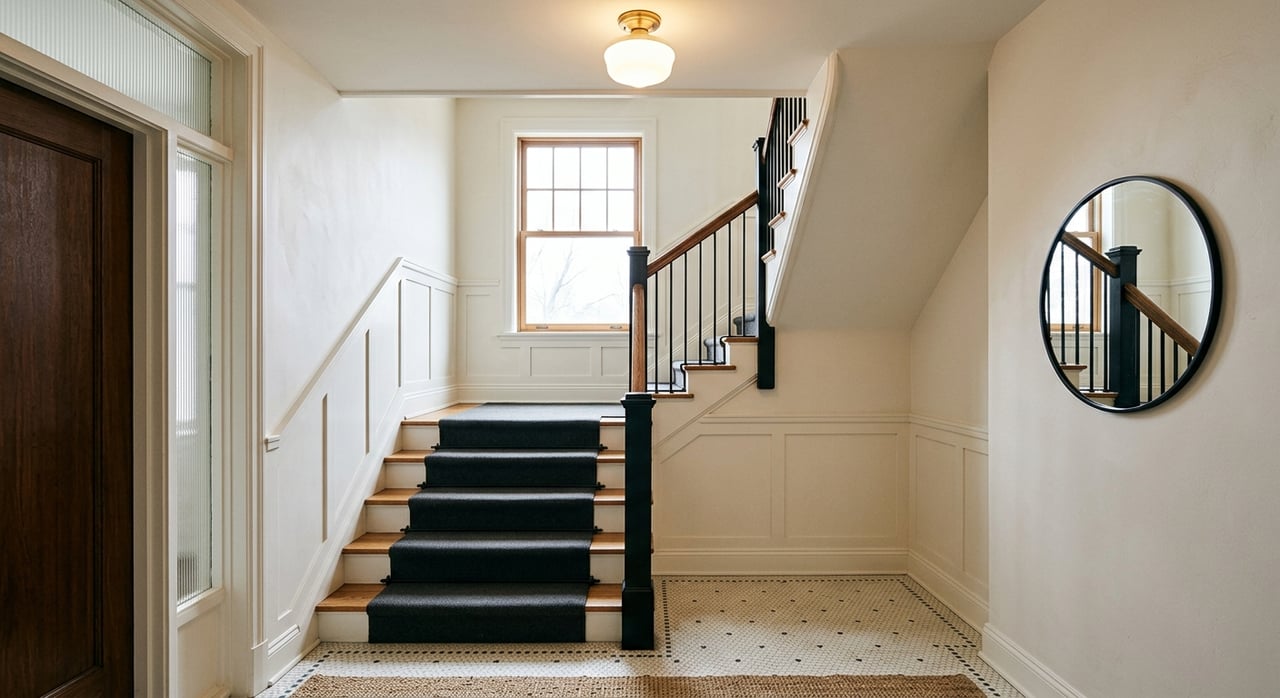
Selling a Dorchester Triple-Decker: How to Prepare
June 4, 2026
June 4, 2026
Selling a Dorchester triple-decker is not just about fresh paint and good listing photos. Because these properties are a long-standing part of Boston’s housing stock, buyers often look just as closely at condition, tenant details, and paperwork as they do at kitchens and baths. If you want a smoother sale and fewer last-minute surprises, it helps to prepare with a clear plan. Let’s dive in.
Dorchester is Boston’s largest neighborhood, and the triple-decker remains one of its most recognizable property types. Boston materials tie these buildings closely to the neighborhood’s history, and many were built between the 1880s and 1930s. That matters because age often brings questions about systems, permits, lead compliance, and ongoing maintenance.
For you as a seller, that means prep should go beyond surface updates. Buyers for multifamily homes often want to know how the property has been maintained, how the units are occupied, and whether the building’s records are in order. A clean, organized sale package can make your property feel more credible from the start.
Before you spend money on cosmetic upgrades, start with the basics buyers notice right away. In a Dorchester triple-decker, that usually means the roof, gutters, stairs, railings, common halls, windows, doors, basement conditions, and major systems. If these areas show deferred maintenance, buyers may assume there are larger issues behind the walls.
Boston’s rental inspection framework and Massachusetts landlord guidance both reinforce the importance of safe, well-maintained housing. Even if your building is owner-occupied, buyers still tend to view these properties through a compliance and upkeep lens. Clean, functional, and well-documented usually beats flashy but incomplete.
A practical pre-sale punch list often includes:
If you are deciding where to spend first, think safety, function, and buyer confidence. Those items usually carry more weight than trend-based finishes.
It can be tempting to knock out a quick renovation before listing, but that can backfire if permit requirements are overlooked. Boston flags many common pre-sale projects as permit-sensitive, including windows, siding, insulation, kitchen and bath updates, and plumbing or electrical work. Some of that work must also be done by licensed contractors.
For a three-family property, casual DIY work can create questions during due diligence. If a buyer sees updated finishes but cannot match them to proper permits where required, the upgrade may create concern instead of value. In many cases, it is better to do fewer projects correctly than rush through a longer list.
If your triple-decker was built before 1978, lead documentation should be part of your prep from day one. Massachusetts and federal rules require lead disclosure for pre-1978 sales and rentals, and the state updated lead-notification documents on April 16, 2026. Buyers will often expect these records early, especially in an older multifamily building.
If a child under 6 lives in a pre-1978 rental unit, deleading or lead-safe compliance may be required. That makes it especially important to verify your property’s lead history before the home goes live. If you already have inspection reports, Letters of Compliance, Letters of Interim Control, or disclosure forms, keep them together and ready to share.
For occupied rental property in Boston, registration and inspection status can affect how smooth the sale feels. Boston requires annual registration for rental properties, and rental inspections generally happen on a five-year cycle. There are exemptions for owner-occupied buildings with six or fewer units, but vacant or under-renovation units are not exempt.
This is one of those details that can create stress late in the process if you wait too long. Confirming your status early helps you answer buyer questions quickly and avoid scrambling once showings begin. In a multifamily sale, speed and clarity matter.
If your building is rented, paperwork is not optional. A buyer will want to understand income, tenancy structure, and how the property has been managed. The more complete your records are, the easier it is for a serious buyer to underwrite the building and move forward with confidence.
Start by gathering every lease document tied to the property. That includes current leases, renewals, amendments, rent ledgers, utility arrangements, and maintenance contact information. Massachusetts guidance also makes clear that leases should identify the owner, the maintenance contact, and the person who receives formal notice.
For a rented Dorchester triple-decker, have these ready:
Having this set organized before the first showing can save days or even weeks once an offer is accepted.
Security deposits and last month’s rent deserve special attention in Massachusetts. State guidance says a new owner can be fully liable if the former owner fails to transfer these funds properly after the sale. That means sloppy records can become a real issue during attorney review or due diligence.
Make sure you can show the deposit history, escrow details, and any related tenant paperwork. If anything is missing, address it as early as possible. This is one area where good documentation protects both your sale and your credibility.
Not every occupied unit is the same, and buyers will want a clear picture of who is in place and under what terms. An unexpired lease continues until it ends, while month-to-month tenancies and post-lease occupancy follow different notice rules under Massachusetts law. If your rent roll is not matched by clean lease information, buyers may assume uncertainty.
Create a simple summary for each unit. Include current rent, tenancy type, lease start and end dates, and whether any renewal has been signed. This helps buyers understand the building quickly without digging through a stack of documents.
You do not need to vacate the building before listing it. Many Dorchester triple-deckers sell while fully or partly occupied. The key is not vacancy. The key is having a respectful showing plan that keeps disruption manageable.
Boston guidance says landlords should arrange access in advance and give at least 24 hours of notice unless there is an emergency. The Massachusetts Attorney General’s guide also says landlords may enter to inspect, make repairs, or show the unit to prospective buyers, tenants, or real estate agents. In practice, a smooth sale usually comes from consistency, not surprise access.
A simple plan can make a big difference:
In a neighborhood like Dorchester, where many owners and residents have deep local ties, respectful communication is more than good manners. It often helps the entire transaction stay on track.
If your sale strategy includes ending a tenancy or choosing not to renew a lease, Boston has specific local requirements. Under the Housing Stability Notification Act, a Notice of Tenants’ Rights and Resources must be delivered at the same time as a Notice to Quit or non-renewal notice. The City also requires a corresponding submission through its portal.
It is also important to understand that a Notice to Quit is the start of a termination process. It is not itself an order to vacate. If this issue is part of your sale plan, handling it early and correctly can help you avoid confusion and delays.
One of the biggest questions sellers ask is which repairs are worth doing. In most Dorchester triple-deckers, the strongest return comes from work that improves trust in the building. That means addressing visible maintenance issues, organizing the compliance file, and making sure tenant and financial records are easy to review.
You may not need to fully renovate every unit before you list. In many cases, buyers will accept older finishes if the building is clean, functional, and well documented. A strong sale often comes from strategic prep, not maximum spending.
Preparing a Dorchester triple-decker for sale is really about reducing buyer uncertainty. When condition issues are addressed, records are organized, and tenants are handled respectfully, your property is easier to understand and easier to trust. That can support stronger interest and a cleaner negotiation process.
If you are getting ready to sell and want practical, street-level guidance on what to fix, what to document, and how to position the building, Jamie Iacoi can help you build a plan that fits your property and your timeline.
Stay up to date on the latest real estate trends.





Get assistance in determining current property value, crafting a competitive offer, writing and negotiating a contract, and much more. Contact me today so I can guide you through the buying and selling process.