How Dorchester Micro-Neighborhoods Shape Home Prices
May 28, 2026
May 28, 2026
If you have ever wondered why one Dorchester listing gets multiple offers while another a few streets away sits longer, the answer is usually not just the house. In Dorchester, price is shaped by micro-neighborhood context, housing type, transit access, and even climate exposure. Whether you are buying or selling, understanding those street-by-street differences can help you set better expectations and make smarter decisions. Let’s dive in.
Dorchester is Boston’s largest neighborhood, and it works more like a group of overlapping submarkets than a single price point. Boston Planning identifies places like Fields Corner, Ashmont Station, Neponset Circle, Adams Village, and Lower Mills as key commercial anchors within the broader neighborhood.
That matters because buyers do not shop all of Dorchester the same way. Some prioritize Red Line access, others care more about village-style retail, parking, historic housing stock, or a certain property type. That is one reason broad neighborhood averages can miss what is really happening on the ground.
At a citywide level, Boston’s median sale price was $860,000 in March 2026, while Dorchester’s was $725,000. Homes also took longer to sell in Dorchester, about 56.5 days compared with about 33 days across Boston. Those numbers help explain why pricing in Dorchester depends so much on exactly where a home sits.
Transit is one of the clearest price dividers in Dorchester. Savin Hill, Ashmont, and parts of Adams Village are closely tied to Red Line access in Boston Planning documents, while Fields Corner is also described as a transit-rich square with goods, services, and jobs nearby.
In practical terms, homes near strong transit options often attract more buyer attention. That does not mean every transit-adjacent property commands the same premium, but it does mean commute convenience is often built into demand.
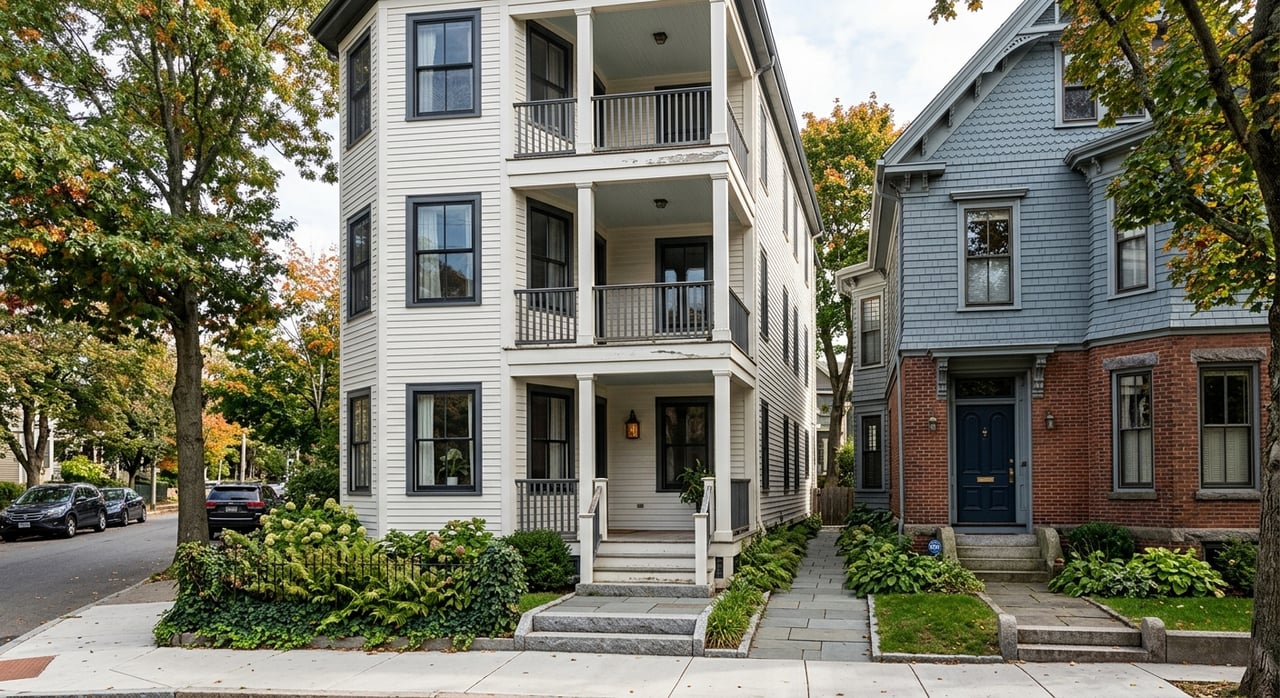
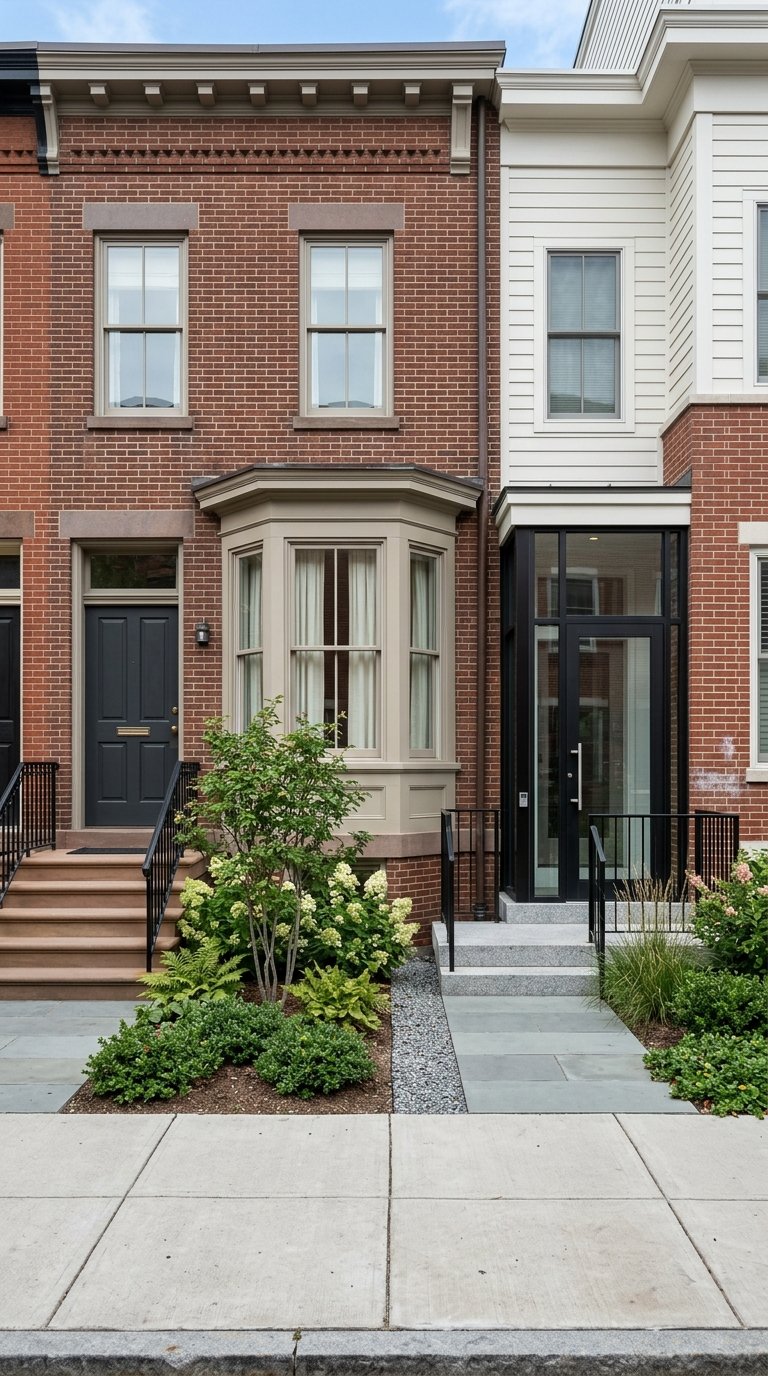
Dorchester has a wide mix of homes, from historic detached houses to triple-deckers, condo conversions, and newer infill projects. Areas with distinctive older housing and tighter supply, like Savin Hill, Ashmont Hill, and Lower Mills, often support stronger pricing than areas with more mixed stock.
Boston’s Dorchester Neighborhood Design Overlay District also plays a role. Its rules are meant to preserve historic character, neighborhood scale, and pedestrian-friendly design, which can help maintain the feel buyers are paying for in certain pockets.
Price is not just about the house or the train. It is also about what daily life looks like nearby.
Boston Planning identifies commercial anchors in Fields Corner, Ashmont Station, Neponset Circle, Adams Village, and Lower Mills. For buyers, that creates different value equations around dining, shopping, errands, street activity, parking, and residential feel.
In parts of southern Dorchester, climate exposure is part of the pricing story. Public market data shows moderate flood risk in Neponset and climate exposure in Lower East Mills-Cedar Grove, which can shape both buyer caution and seller strategy.
That does not mean buyers avoid these areas. It means flood exposure may become part of how people compare homes, budget for ownership, and think about long-term value.
Because public market platforms bucket Dorchester in different ways, the numbers below are best used as directional guides rather than exact civic boundaries. Still, they are useful for understanding how different parts of Dorchester tend to perform.
Savin Hill is one of Dorchester’s best-known micro-markets, and its pricing reflects that. Boston Planning describes the area as having substantial residences dating from the mid-1840s through the 1880s, and nearby development has been framed as transit-oriented because of the Savin Hill Red Line stop and bus access.
The current public market proxy shows a median sale price of about $735,000, with homes selling in around 59 days. For many buyers, the draw is the combination of older housing character, transit convenience, and a location that feels connected to both Dorchester and the rest of Boston.
Fields Corner tends to come in below several other Dorchester submarkets on price. The current Fields Corner East proxy shows a median sale price of about $610,000 in a somewhat competitive market.
Boston Planning describes Fields Corner as a key historic commercial area with transit options, goods, services, and job opportunities. South Dorchester housing in this area includes many three-deckers and older single-family homes, many of them restored, which gives buyers a different mix of options than they may find in higher-priced pockets.
Ashmont is especially important to watch because its demand profile is strong. Public market data shows a median sale price of about $575,000, but with very competitive conditions and strong walk and transit scores.
Boston zoning materials describe Ashmont Hill as an architecturally distinguished residential district with homes from roughly 1870 to 1915. When you pair that housing stock with Red Line and bus access, you get a micro-market that often attracts buyers who want both character and connectivity.
If Adams Village or Cedar Grove feels more expensive than “Dorchester” in a general search, that impression makes sense. Development activity in the area includes new condo and mixed-use infill, and Boston Planning materials place some of these sites close to Adams Village and the Ashmont Red Line station.
The best public proxy, Lower East Mills-Cedar Grove, shows a median sale price of about $765,000 in a very competitive market. Recent Adams Street sales in that proxy area have clustered in the mid-$700,000s to low-$800,000s, which helps explain why sellers here often benefit from strong owner-occupant demand.
Neponset has a different pricing story. Public market data shows a median sale price of about $623,000, very competitive demand, and homes selling in about 37 days.
Boston Planning identifies Neponset Circle as a commercial anchor, while broader planning work in the southern Dorchester waterfront corridor highlights mobility and coastal resiliency issues. That means buyers here may weigh convenience and neighborhood access alongside flood-risk considerations more directly than in some other parts of Dorchester.
Lower Mills is regularly among the stronger price points in the Dorchester area. Public market proxies show West Codman Hill-West Lower Mills at about $771,000 and Lower East Mills-Cedar Grove at about $765,000, both in very competitive conditions.
Boston zoning materials describe Lower Mills West and East as historically significant areas with housing tied to the Neponset River’s industrial history, much of it built between 1870 and 1915. Add in preservation rules meant to maintain scale and character, and you get a supply-constrained setting that often supports higher prices.
These areas often price above Fields Corner because they combine several value drivers at once. They tend to offer stronger architectural identity, more supply-constrained housing stock, and in some cases clearer Red Line access.
That does not make them universally “better.” It means buyers often place a premium on the specific mix of transit, housing character, and neighborhood feel found there.
Fields Corner can be appealing if you want transit access and a historic commercial district while staying at a lower entry point than Savin Hill or Lower Mills. Its housing mix also gives buyers more variety across condos, multifamily formats, and older homes.
For sellers, that means pricing has to reflect what buyers are comparing it against. A Fields Corner property may attract strong demand, but it is usually being measured against a different set of expectations than a home in Savin Hill or Lower Mills.
If you are buying in Dorchester, broad median prices only tell part of the story. Your best decision usually comes from matching your budget and goals to the right micro-neighborhood tradeoffs.
Here are a few practical questions to ask:
For many first-time buyers, Ashmont and Fields Corner may offer the most approachable mix of price and transit access, depending on the property type. For buyers focused on premium location appeal and stronger price points, Savin Hill, Lower Mills, and parts of Adams Village often come up quickly.
If you are selling in Dorchester, the biggest mistake is treating your home like it belongs to one big neighborhood average. Buyers are often comparing your property against a smaller set of streets, housing styles, and commute patterns.
That is why pricing strategy needs to account for your micro-neighborhood, your exact property type, and the buyers most likely to compete for it. A condo near Ashmont may behave very differently from a detached home in Lower Mills or a three-decker conversion in Fields Corner.
Preparation matters too. In a place as nuanced as Dorchester, condition, presentation, and timing can amplify the advantage of a strong location or help offset a tougher one.
If you want help reading the block-by-block differences in Dorchester, Jamie Iacoi brings a resident’s perspective and practical pricing strategy to buyers and sellers across the neighborhood.
Stay up to date on the latest real estate trends.
Get assistance in determining current property value, crafting a competitive offer, writing and negotiating a contract, and much more. Contact me today so I can guide you through the buying and selling process.