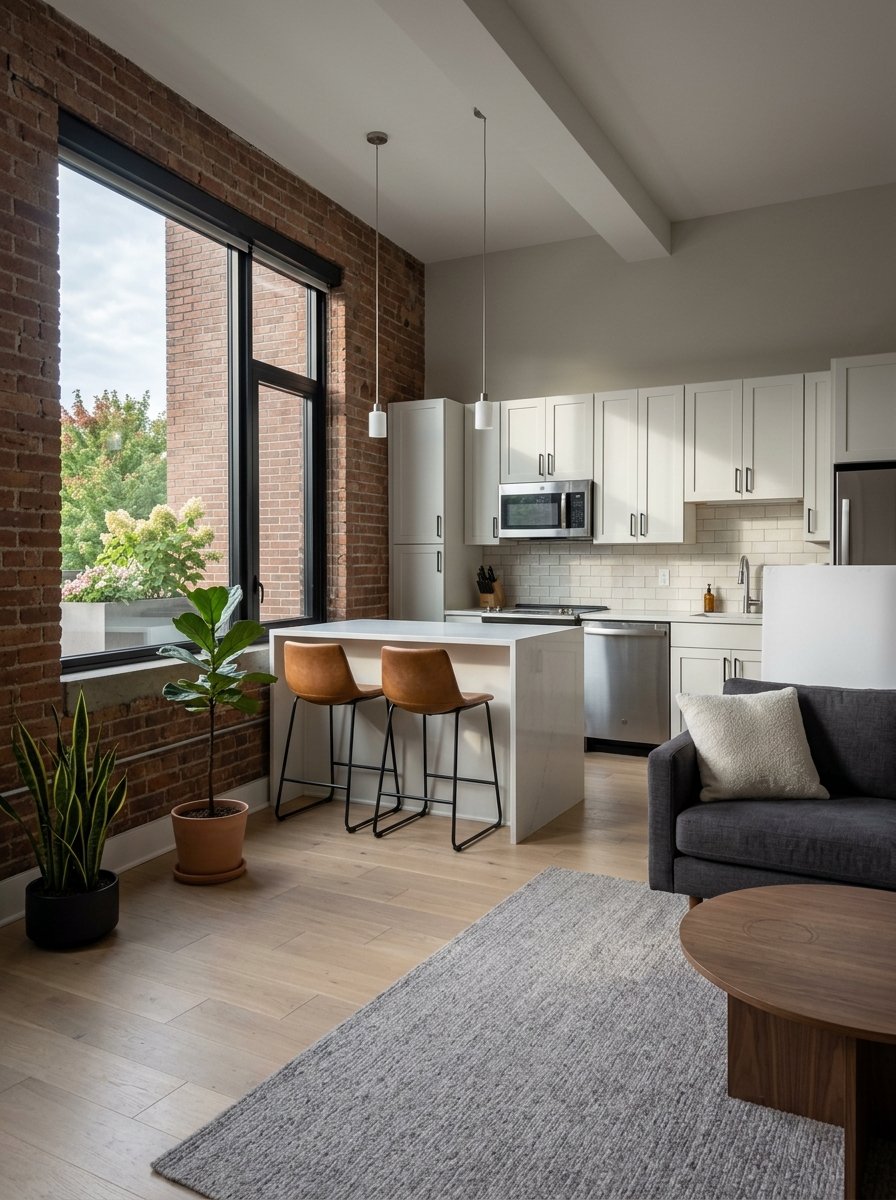
Competing For Condos In Cambridge's Tech Corridor
June 25, 2026
June 25, 2026
If you are trying to buy a condo in Cambridge’s tech corridor, you are not imagining the pressure. In key pockets like Kendall Square and East Cambridge, buyers are often weighing fast-moving inventory, strong competition, and big price differences from one micro-market to the next. The good news is that when you understand how this corridor works, you can compete more strategically and with a lot less guesswork. Let’s dive in.
Cambridge’s tech corridor is not one single market. It is a group of connected areas where demand tends to cluster around Kendall Square, East Cambridge, and the Fresh Pond and Alewife corridor.
That demand makes sense when you look at how these areas have grown. The City of Cambridge describes Kendall Square as a former industrial district that became one of the world’s leading centers for biotech research and innovation. East Cambridge has added more than 1,200 housing units over the past two decades, while Cambridge Crossing has introduced a 43-acre mixed-use neighborhood in East Cambridge.
For buyers, that growth translates into a practical lifestyle benefit. Many of these locations offer strong access to work, transit, dining, and daily errands without needing a car for every trip.
In this part of Cambridge, convenience is a major part of what you are paying for. East Cambridge carries a Walk Score of 93, Transit Score of 69, and Bike Score of 96, while Kendall Square scores 87 for walking, 71 for transit, and 97 for biking.
That does not mean every condo is interchangeable. A unit that sits closer to Red Line access or in a more connected part of the neighborhood may feel very different from another unit only a few blocks away. In a market like Cambridge, those small location differences can affect both buyer demand and resale appeal.
If you picture one typical Cambridge condo, you will probably miss the real story. The corridor includes newer elevator buildings and mixed-use developments near Kendall Square and Cambridge Crossing, apartment-style development in Alewife, and older housing stock in historic parts of the city.
That variety is important because the right strategy depends on the building type. A newer building may offer a more streamlined ownership experience, while an older building may require closer review of association rules, building condition, and future maintenance.
In the newer sections of the corridor, you are more likely to see modern layouts, elevator access, and mixed-use surroundings. At Cambridge Crossing, for example, Park 151 includes 468 units across 20 floors with ground-floor retail.
For many buyers, these buildings appeal because they match the pace of the surrounding area. You may find contemporary common spaces, efficient floor plans, and easier access to transit and neighborhood amenities.
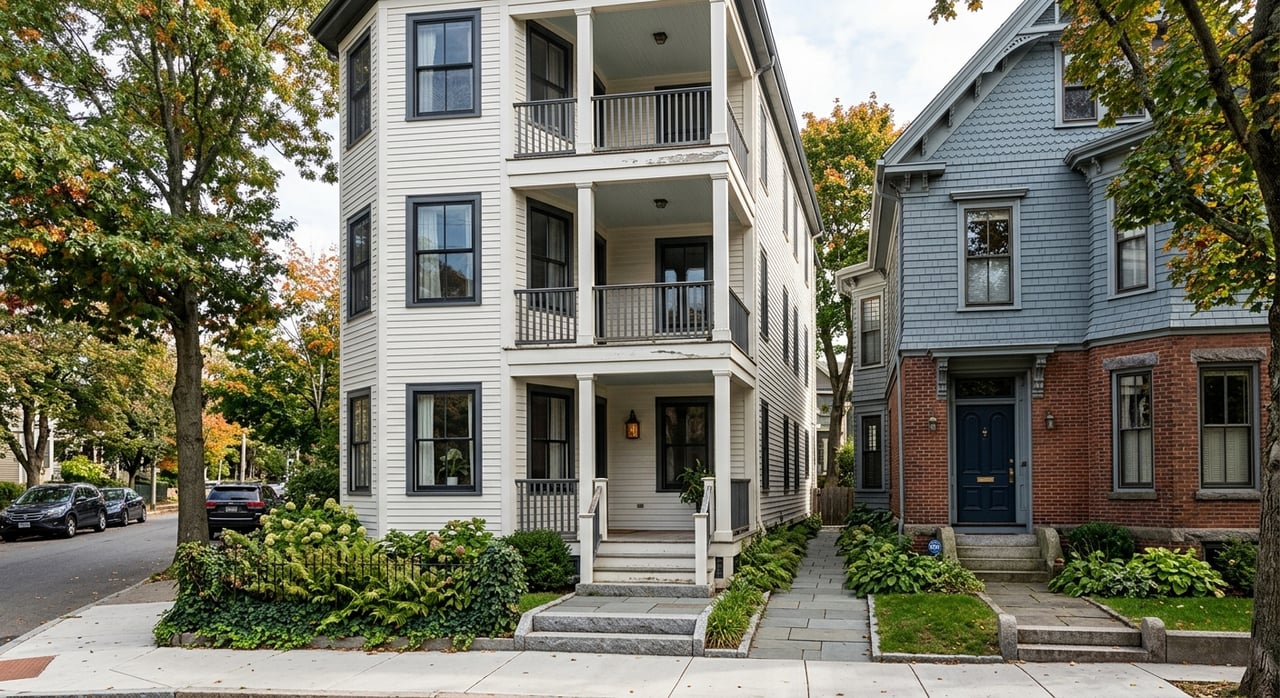
In older or historic parts of Cambridge, the condo itself may be charming, but ownership can come with added layers. The Cambridge Historical Commission notes that properties in historic districts are reviewed for exterior changes, even when a permit may not be required.
That means you should ask detailed questions about how the condo association handles windows, facades, and other visible exterior work. If the building was built before 1978, Massachusetts lead-paint disclosure rules also apply, so that should be part of your due diligence.
One of the biggest mistakes buyers make is treating Cambridge as one flat price point. The broader market is expensive, but the exact numbers vary depending on the source and the submarket.
Redfin’s Cambridge condo data shows 155 condos for sale at a median listing price of $849,000, with homes typically lasting 30 days and receiving 5 offers. Realtor.com’s May 2026 snapshot shows a higher citywide median listing and sold price of $1.025 million, 23 days on market, and a 101 percent sale-to-list ratio.
The bigger takeaway is not which headline number is perfect. It is that Cambridge remains a premium condo market, and the block, building, and neighborhood can change the playing field quickly.
If you are competing in this corridor, you need to think in micro-markets.
Kendall Square appears to be the most competitive area in the data provided. Redfin reports a median sale price of $1.21 million, 12 days on market, and a Compete Score of 89, with many multiple-offer situations and some waived contingencies.
If you are targeting Kendall Square, you should expect speed to matter. Well-positioned condos may not give you much time to think, so preparation matters long before the right listing appears.
East Cambridge still draws strong demand, but it looks less compressed than Kendall Square. Redfin shows a median sale price of $909,000, 66 days on market, a Compete Score of 52, and average sales around 2 percent below list.
That creates a different kind of opportunity. You may still need to move decisively, but negotiation may be more realistic depending on the building, the pricing strategy, and the seller’s timeline.
Alewife brings a different feel to the corridor. The area combines older and newer buildings, modern offices, retail, apartment complexes, and Red Line access near Alewife Station.
For buyers who want Cambridge access with a broader mix of housing formats, Alewife can be worth a close look. It fits the larger growth story, but it does not present exactly the same buyer experience as Kendall Square or East Cambridge.
In Cambridge, the features that perform well are often practical rather than flashy. Redfin’s home-trend data points to buyer interest in pet-friendly status, breakfast bars, ceiling fans, open-concept living, one-bath condo product, bay windows, eat-in areas, open-concept kitchens, private entrances, and garden areas.
That pattern says a lot about how buyers think. Efficient, flexible spaces that feel easy to live in can carry real appeal, especially in a market where people are balancing price, location, and daily function.
It is easy to get distracted by polished kitchens and staged interiors. But when you are comparing condos in Cambridge, layout, storage, natural light, building rules, and transit access may matter just as much as finishes.
A beautiful unit in a less practical location is not always the stronger buy. In competitive areas, the best long-term value often comes from the mix of location, livability, and building structure rather than just visual appeal.
Buying in Cambridge’s tech corridor is not just about offering more money. It is about matching your strategy to the specific submarket and building.
Here are a few ways to stay competitive:
Massachusetts guidance notes that condominium documents define the association’s authority and may include a right of first refusal. That is one reason the master deed, rules, and related documents deserve close attention before an offer is finalized.
In a condo purchase, the unit is only part of what you are buying. You are also buying into the association structure, the building’s rules, and the realities of shared ownership.
That matters even more in Cambridge, where you may see a mix of historic buildings, newer high-density development, and different levels of association complexity. Before you compete hard for a unit, make sure you understand what comes with it.
Some of the most useful questions include:
The biggest advantage you can give yourself is a realistic view of the exact pocket where you want to buy. Cambridge’s tech corridor rewards buyers who understand that Kendall Square, East Cambridge, and Alewife are connected, but not interchangeable.
If you approach the search with micro-market awareness, a clear budget, and careful building-level review, you can make better decisions under pressure. That does not remove the competition, but it does help you compete with a plan instead of reacting on the fly.
If you are weighing a condo purchase in Cambridge or comparing it with other Greater Boston options, working with someone who understands how local submarkets behave can make the process much clearer. When you are ready to talk strategy, connect with Jamie Iacoi.
Stay up to date on the latest real estate trends.
Get assistance in determining current property value, crafting a competitive offer, writing and negotiating a contract, and much more. Contact me today so I can guide you through the buying and selling process.