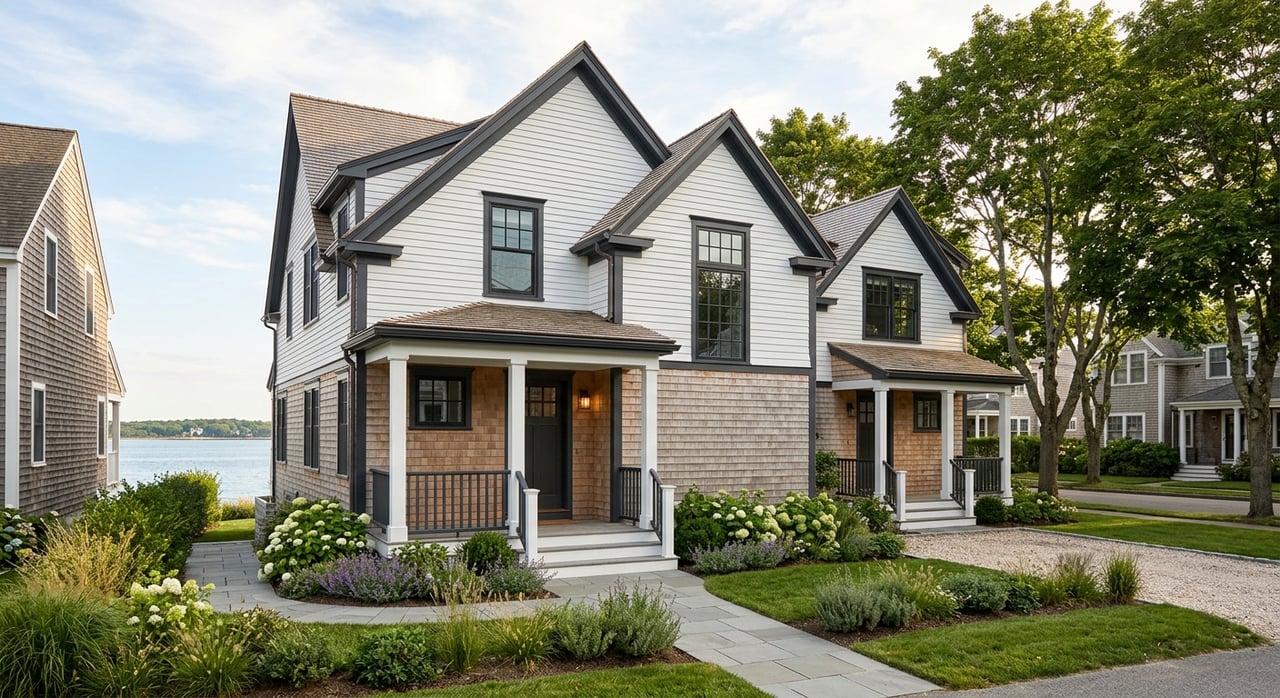
Quincy vs Dorchester Waterfront Living: Which Fits You?
June 11, 2026
June 11, 2026
Wondering whether Quincy or Dorchester gives you the better waterfront lifestyle? If you are trying to balance shoreline access, commute options, housing style, and budget, the answer depends on how you want your day-to-day life to feel. This guide breaks down the real differences so you can compare both places with more confidence. Let’s dive in.
If waterfront access is your priority, Quincy and Dorchester offer two different experiences. Quincy feels like a collection of shoreline pockets, while Dorchester feels more like one connected urban waterfront.
In Quincy, the shoreline is spread across several distinct areas. Quincy Shores Reservation includes a 2.3-mile beach with a jogging and biking trail, and Squantum Point Park offers waterfront access for walking, fishing, kayaking, birdwatching, and skyline views. The Quincy RiverWalk adds a 2-mile trail along the Neponset estuary and connects into Pope John Paul II Park and the Neponset Greenway.
Dorchester has a more continuous waterfront edge. The Harborwalk runs through Dorchester toward the Neponset River, and Boston reports that Dorchester has 9.46 miles of waterfront. Public waterfront spaces include Pope John Paul II Park, along with shoreline areas such as Tenean Beach and Victory Beach.
Quincy tends to suit buyers who want variety in how they use the water. One part of your search may feel marina-oriented and condo-focused, while another may feel quieter and more residential near a beach or peninsula.
That creates a different rhythm from neighborhood to neighborhood. You may find one area built around views and trail access, and another built around a more tucked-away shoreline setting.
Dorchester tends to suit buyers who want a waterfront that is woven into the city. Instead of choosing between separate shoreline pockets, you are more often plugging into a connected network of parks, paths, and waterfront-adjacent streets.
If you picture regular walks, bike rides, or park time tied closely to city living, Dorchester often reads more seamlessly. That connected feel is one of the biggest differences between the two.
For many buyers, waterfront lifestyle only works if the commute also works. Here, Quincy and Dorchester both offer strong transit access, but they do it differently.
The MBTA Red Line splits south of JFK/UMass. Quincy is on the Braintree branch, while Dorchester is on the Ashmont branch. Quincy Center also adds commuter rail service, while JFK/UMass serves as a key multimodal hub with Red Line service and commuter rail connections.
Quincy can appeal to buyers who want multiple ways to get around. In addition to Red Line service through stations like North Quincy, Wollaston, Quincy Center, and Quincy Adams, Quincy Center also has commuter rail access.
For shoreline pockets that are not right on a train stop, bus service helps connect the pieces. Route 211 links Quincy Center and Squantum, and Route 216 connects Houghs Neck and Quincy Center through Germantown.
Dorchester’s waterfront-adjacent areas tend to center more around Red Line access and the JFK/UMass hub. That setup can feel especially useful if you want your waterfront lifestyle tied closely to Boston’s broader transit network.
In practical terms, Dorchester often works well for buyers who want urban waterfront access without giving up a city-connected routine. If your day involves moving in and out of Boston often, that may carry real weight.
Waterfront lifestyle is not just about parks and paths. It is also about what kind of home you are most likely to find in each place.
Quincy has a broad housing mix overall. According to Housing MA, 38% of Quincy housing units are in single-family homes, 27% are in two-to-four-family buildings, and 34.2% are in buildings with five or more units.
Dorchester has a denser and more multi-family-oriented profile. Boston Planning reports 27.3% single-family, 23.1% two-family, 24.6% three-family, and 25% condo properties in the Dorchester planning district.
On the waterfront, Quincy’s housing mix can vary a lot by area. Marina Bay tends to be more condo-oriented in current listings, while Squantum and Houghs Neck still include single-family waterfront homes.
That gives Quincy a wider lifestyle spread. You may be comparing a lower-maintenance condo near marina amenities against a more classic standalone waterfront property in a quieter setting.
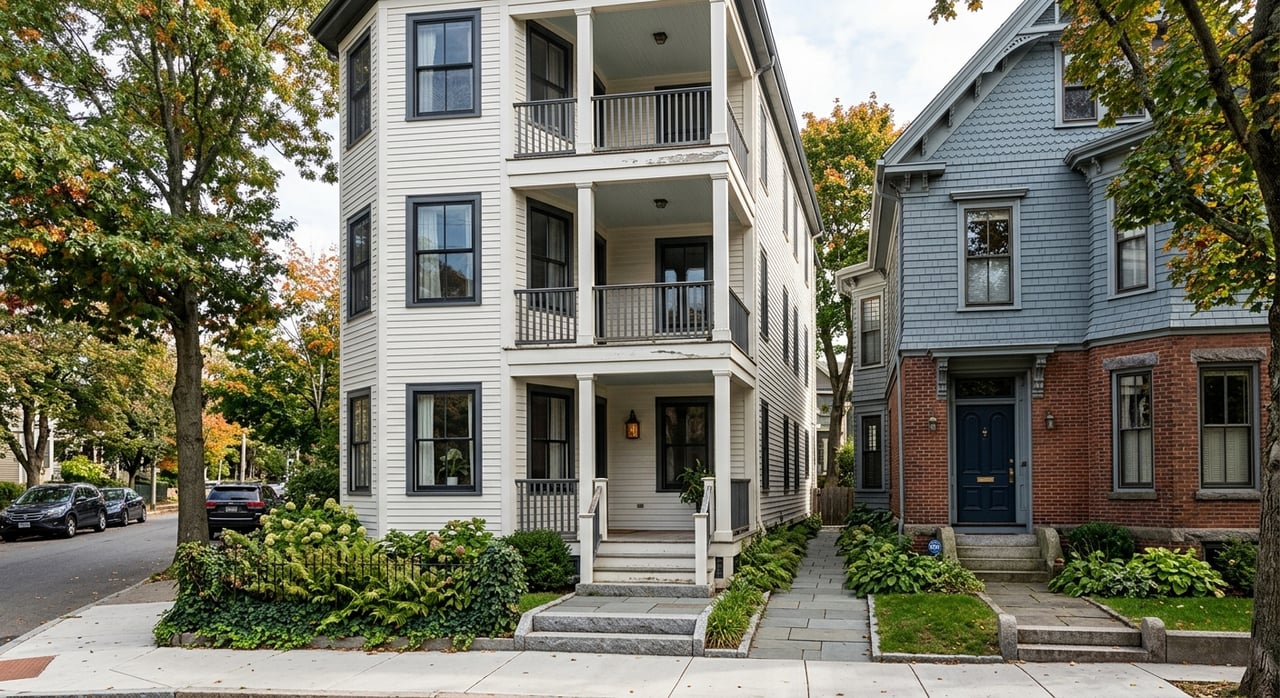
In Dorchester, the housing pattern near the waterfront often feels denser and more urban. You are more likely to see triple-deckers, condo conversions, and mixed residential streets than lower-density waterfront subdivisions.
For some buyers, that is exactly the appeal. If you want water access without leaving a more city-based housing fabric, Dorchester may feel more natural.
Price matters, especially when two locations offer different housing formats and different kinds of waterfront access. Based on March 2026 market pages, Quincy had a median sale price of $610,000, while Dorchester was at $725,000.
At the neighborhood level, the spread is wide. Marina Bay posted a median sale price of $458,580 for the three months ending April 2026, while Squantum reached a March 2026 median sale price of $1.7 million. In Dorchester, Savin Hill and Columbia Point were at $735,000, and Port Norfolk was at $760,000.
These figures are directional, not perfectly apples to apples, because Quincy is shown citywide while some Dorchester figures are neighborhood-level. Still, they help show the broader pattern.
Quincy’s waterfront story appears more price-diverse. Buyers can look at lower-entry condo options in Marina Bay, then compare those with premium waterfront single-family settings in places like Squantum.
That range can be helpful if you want to stay near the water but need flexibility on product type and price point. In many searches, Quincy gives you more room to adjust the balance between budget and lifestyle.
Dorchester’s waterfront-adjacent pricing tends to line up with a denser urban housing mix. Instead of a wide spread between marina condos and peninsula single-family homes, you are often comparing condos, conversions, and multifamily-style living near the waterfront edge.
For buyers who already know they want a city-connected setting, that can simplify the search. The lifestyle choice may become less about housing format and more about block-by-block feel and access.
If you are deciding between Quincy and Dorchester, the right answer usually comes down to how you want your surroundings to function every day.
Choose Quincy if you want:
Choose Dorchester if you want:
If you are seriously choosing between the two, try to compare them through your actual weekly routine. Think about where you would walk, how you would commute, what type of home you want, and whether you prefer a quieter shoreline pocket or a more connected city waterfront.
This is where local context matters. Two homes with similar square footage can feel very different depending on how the shoreline, transit, and housing stock come together on that specific block or in that specific pocket.
If you want help sorting through Quincy versus Dorchester with real neighborhood context, reach out to Jamie Iacoi. You will get straightforward advice grounded in Dorchester and Greater Boston experience, so you can choose the waterfront lifestyle that actually fits how you live.
Stay up to date on the latest real estate trends.
Get assistance in determining current property value, crafting a competitive offer, writing and negotiating a contract, and much more. Contact me today so I can guide you through the buying and selling process.