First-Time Buyer Guide To Quincy Condos
June 18, 2026
June 18, 2026
Buying your first condo near Boston can feel like a balancing act. You want a price that feels doable, a commute that works, and a home that will still make sense a few years from now. If Quincy is on your list, there is good reason. It often gives first-time buyers a more accessible entry point than some nearby Boston neighborhoods, with solid transit options and a wide range of condo types. Let’s dive in.
Quincy offers a mix that many first-time buyers are looking for: city access, transit convenience, and more moderate condo pricing than some nearby markets. Current market data shows 73 condos for sale in Quincy, with a median listing price of $499,000. Homes are typically staying on the market about 32 days and receiving around 2 offers.
That puts Quincy in an interesting middle ground. It is more affordable than some Boston-adjacent condo markets, but still connected enough to support a practical commute and everyday convenience. Redfin also rates Quincy as moderately walkable, with a Walk Score of 63.
If you are deciding between Quincy, Dorchester, and South Boston, Quincy stands out on price. Current condo data shows a median listing price of $499,000 in Quincy, compared with $590,000 in Dorchester and $1.05 million in South Boston.
For many first-time buyers, that difference can shape everything from down payment size to monthly payment comfort. Quincy may give you a better chance to buy sooner, keep more flexibility in your budget, or afford features like parking that might cost much more elsewhere.
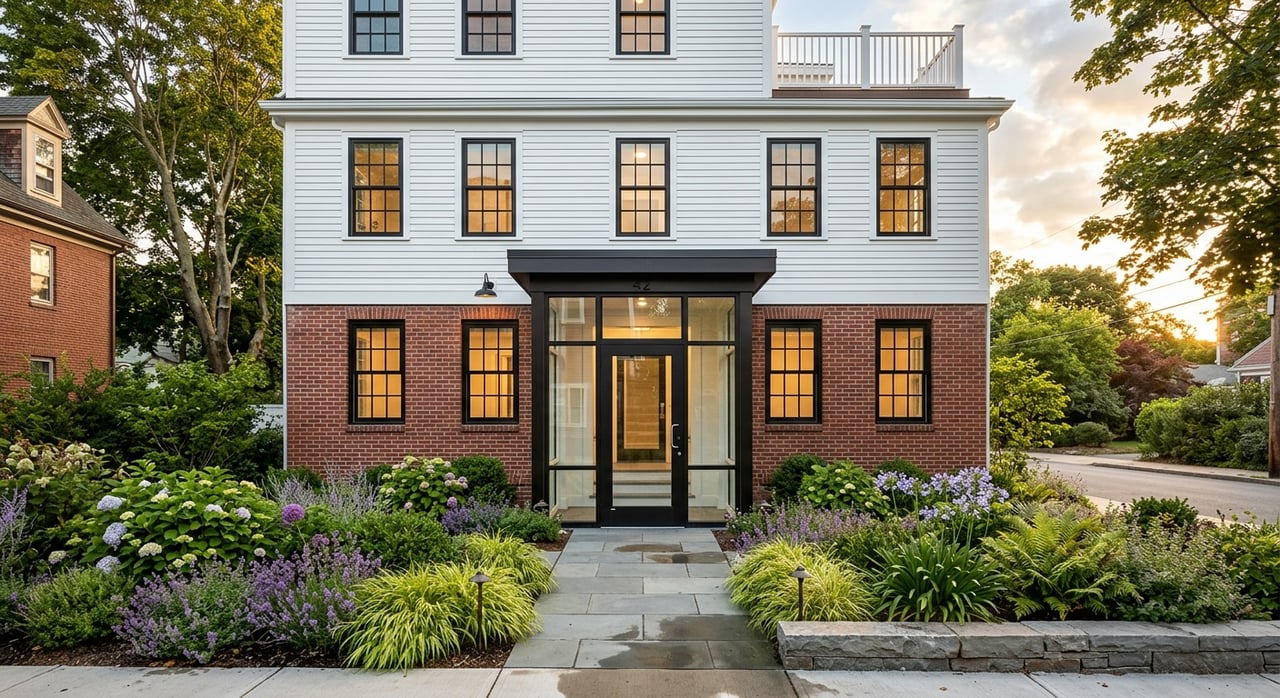
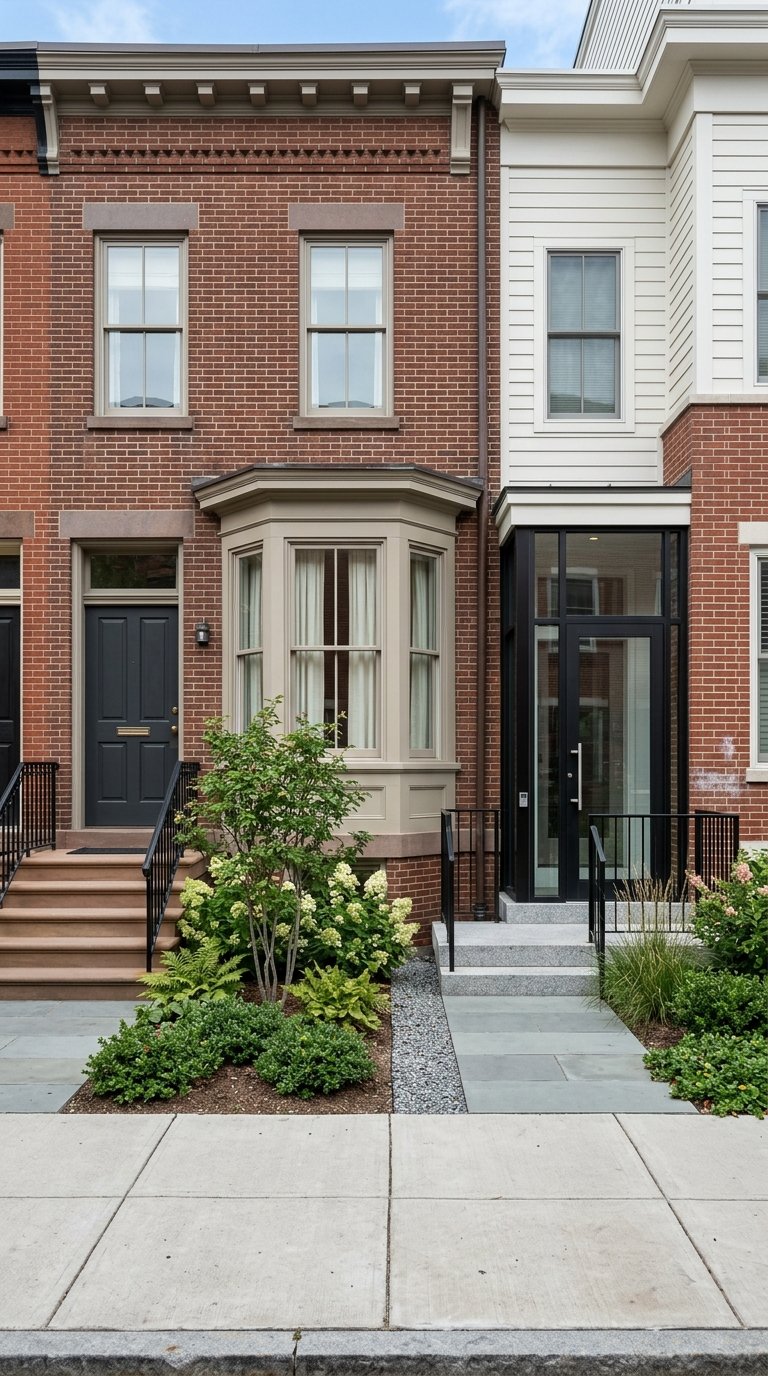
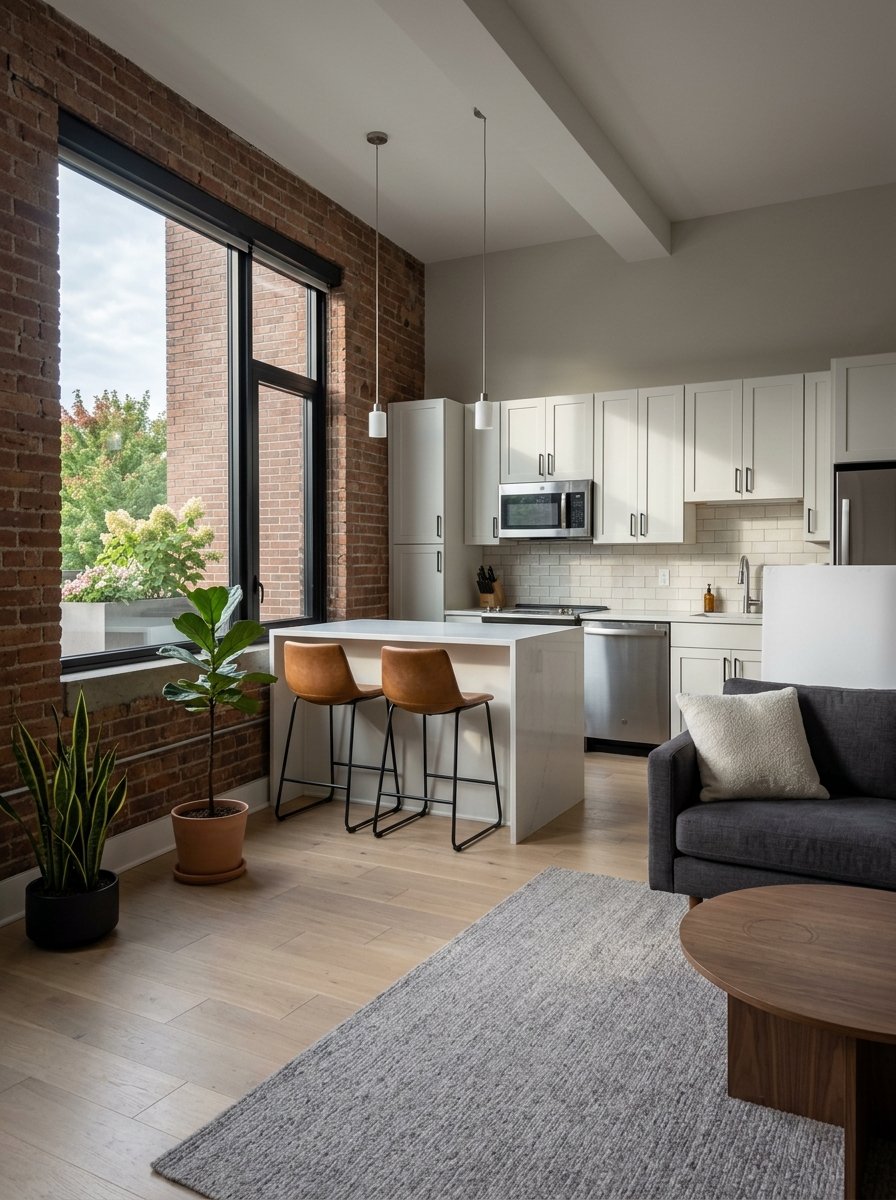
One of the biggest mistakes first-time buyers make is assuming every condo market has a single “typical” product. Quincy does not. The local inventory includes older converted units, small multifamily-style condos, established condo communities, and newer elevator buildings.
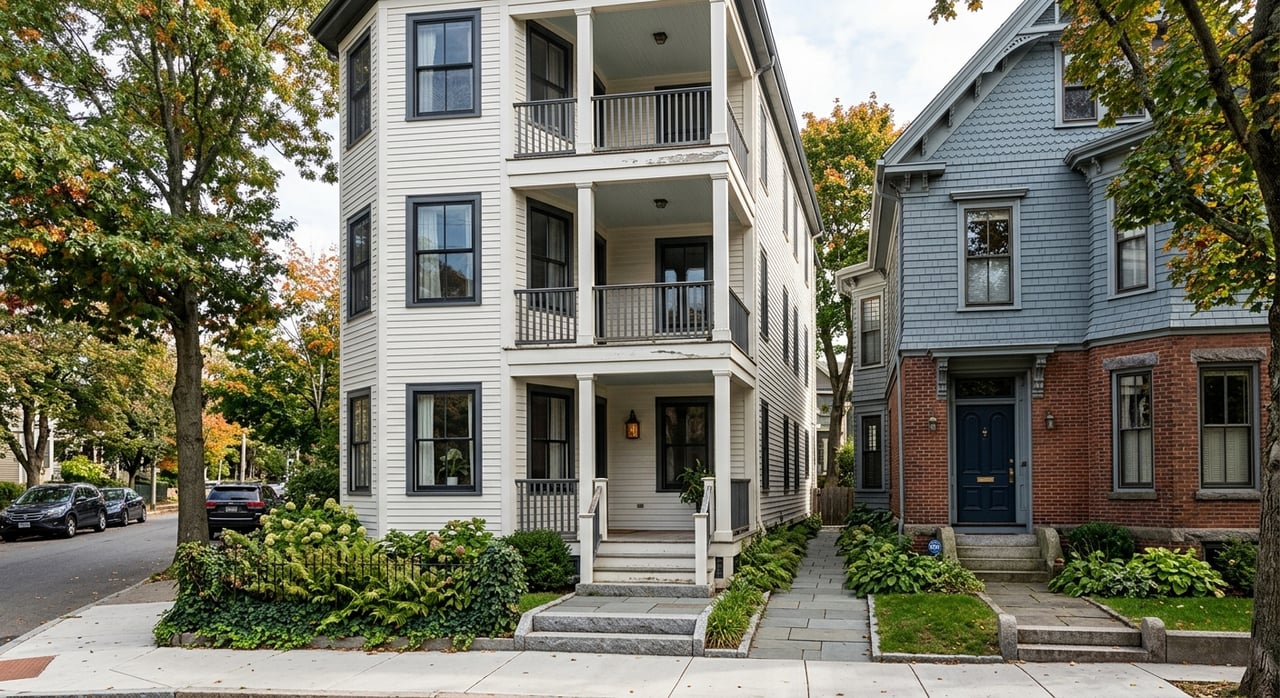
You might see a condo in a converted two- or three-family from the early 1900s with off-street parking. You may also find older communities like Sunnylea, built in 1929, or Captain’s Cove, built in 1986. At the same time, newer Quincy Center listings include elevator buildings, garage parking, resident lounges, courtyards, and other amenities.
That variety can be a real advantage. It gives you more ways to match your budget, lifestyle, and maintenance preferences instead of forcing you into one kind of building.
Quincy’s condo stock is not spread evenly in the same style across the city. State planning materials identify Quincy Center and the North Quincy station area as districts intended for multifamily and mixed-use development. MassWorks-backed projects in Quincy Center have also supported transit-oriented mixed-use buildings and additional condominium units.
In practical terms, that means buyers often find newer condo options clustered near Quincy Center and Red Line access points. If your priorities include newer construction, elevator access, or amenity-driven living, those areas may deserve extra attention.
For many first-time buyers, commute options are part of the affordability equation. Quincy offers four Red Line stops: North Quincy, Wollaston, Quincy Center, and Quincy Adams. Quincy Center also has access to the Old Colony Commuter Rail.
There is also the seasonal Marina Bay Ferry between Quincy, Downtown Boston, and Winthrop. Not every buyer will use it every day, but it adds another option for people considering waterfront or Marina Bay-area living.
This transit access is a major part of Quincy’s value story. You may be able to buy at a lower price point than in some nearby neighborhoods while still keeping several paths into Boston.
Parking is not a small detail in Quincy condo shopping. It can affect your monthly costs, your day-to-day convenience, and future resale appeal. Some units come with deeded parking, some with assigned parking, and some with no parking at all.
This is especially important because Quincy has meaningful station-area parking infrastructure. Quincy Adams had 1,760 occupied car parking spaces in the MBTA study period, and North Quincy’s new MBTA garage opened in 2025 with more than 1,500 spaces, including MBTA and residential or retail parking. Reported daily rates are $5 on weekdays and $3 on weekends.
That does not mean station parking replaces having your own spot. It means you should compare the true pros and cons of each unit. A lower-priced condo without parking may still cost you more in hassle, while a unit with dedicated parking may offer stronger long-term value.
A condo fee is never just a number on a listing sheet. In Massachusetts, condo associations are governed through documents such as the master deed, deed, bylaws, and Chapter 183A. The state also notes that condo associations are privately governed and not directly regulated by the Commonwealth.
In Quincy, current listings show HOA dues ranging from about $213 per month to $711 per month. Many buildings fall somewhere in the mid-$400s to mid-$600s. That is a wide spread, so the fee alone does not tell you whether a unit is a good fit.
What matters is what the dues actually cover. In current Quincy listings, fees may include some combination of water, sewer, insurance, maintenance, snow removal, trash, heat, hot water, elevator service, pools, or garage-related costs.
If you are buying your first condo, document review is one of the biggest parts of due diligence. Massachusetts guidance points buyers to several key condo documents:
These documents help you understand how the association operates and whether there are financial or rule-related issues that could affect you after closing. They can also reveal whether a seemingly reasonable condo fee is backed by healthy reserves or whether the association may be more exposed to future extra charges.
Massachusetts guidance describes special assessments as charges above and beyond the regular budget and reserves. For a first-time buyer, this is one of the most important concepts to understand.
A condo with a lower monthly HOA fee is not automatically the better deal. If reserves are thin or major building work is coming, owners may be asked to pay additional amounts outside the regular monthly dues. That is why reviewing the budget and reserves matters just as much as looking at list price.
Many first-time buyers focus on purchase price first. That makes sense, but with condos, your real monthly cost has more moving parts. In Quincy, your carrying cost usually includes:
Quincy’s FY2026 residential property tax rate is $11.78 per $1,000 of assessed value. When you add that to condo fees and insurance, the affordability picture can look very different from the list price alone.
This is one reason Quincy can be a strong market to shop carefully. Two condos at similar prices may have very different monthly costs depending on taxes, fees, amenities, and parking.
Another common first-time buyer miss is insurance planning. The condo association’s master policy generally covers the structure and common areas, but not your personal property or interior finishes. That is why buyers should plan on HO-6 insurance.
It is a smaller line item than your mortgage or HOA fee, but it still belongs in your monthly budget. It is also part of understanding what you truly own and what you are responsible for inside the unit.
Because Quincy has such a mixed condo inventory, your search works best when you compare homes by lifestyle as much as price. A converted multifamily condo, an older low-rise community, and a newer elevator building can each make sense for different reasons.
As you narrow your options, focus on a few practical questions:
Those answers will usually tell you more than a broad online search ever can.
First-time condo buying is rarely just about finding a listing you like. You also need help weighing tradeoffs, reading between the lines on association health, and understanding how one building compares with another.
That is especially true in a market like Quincy, where the inventory spans everything from older conversions to newer transit-oriented buildings. A steady, local perspective can help you sort real value from surface-level appeal and make a decision that feels right both now and later.
If you are thinking about buying your first condo in Quincy, Jamie Iacoi can help you compare options, understand the numbers, and move forward with a strategy that fits your goals.
Stay up to date on the latest real estate trends.

Get assistance in determining current property value, crafting a competitive offer, writing and negotiating a contract, and much more. Contact me today so I can guide you through the buying and selling process.